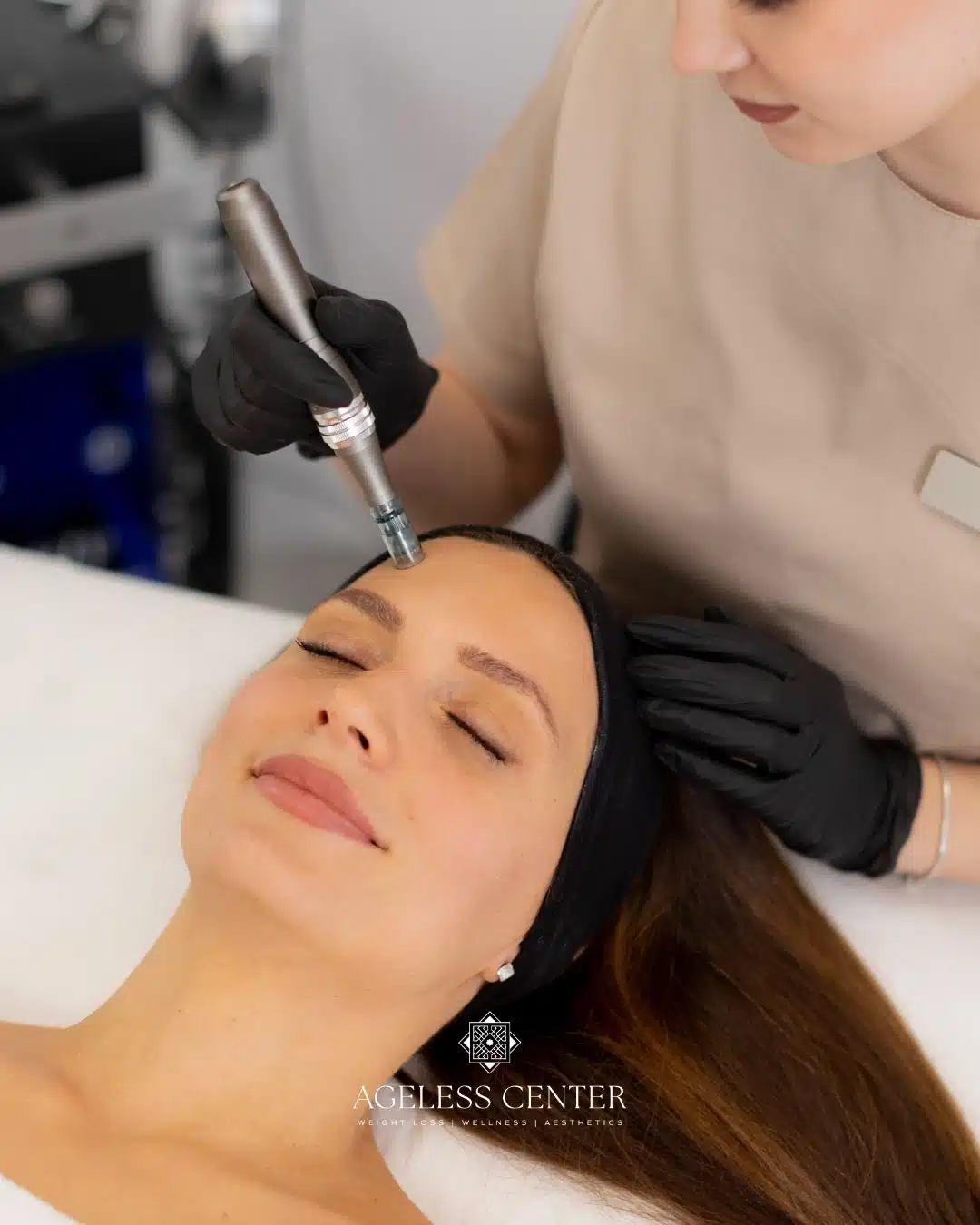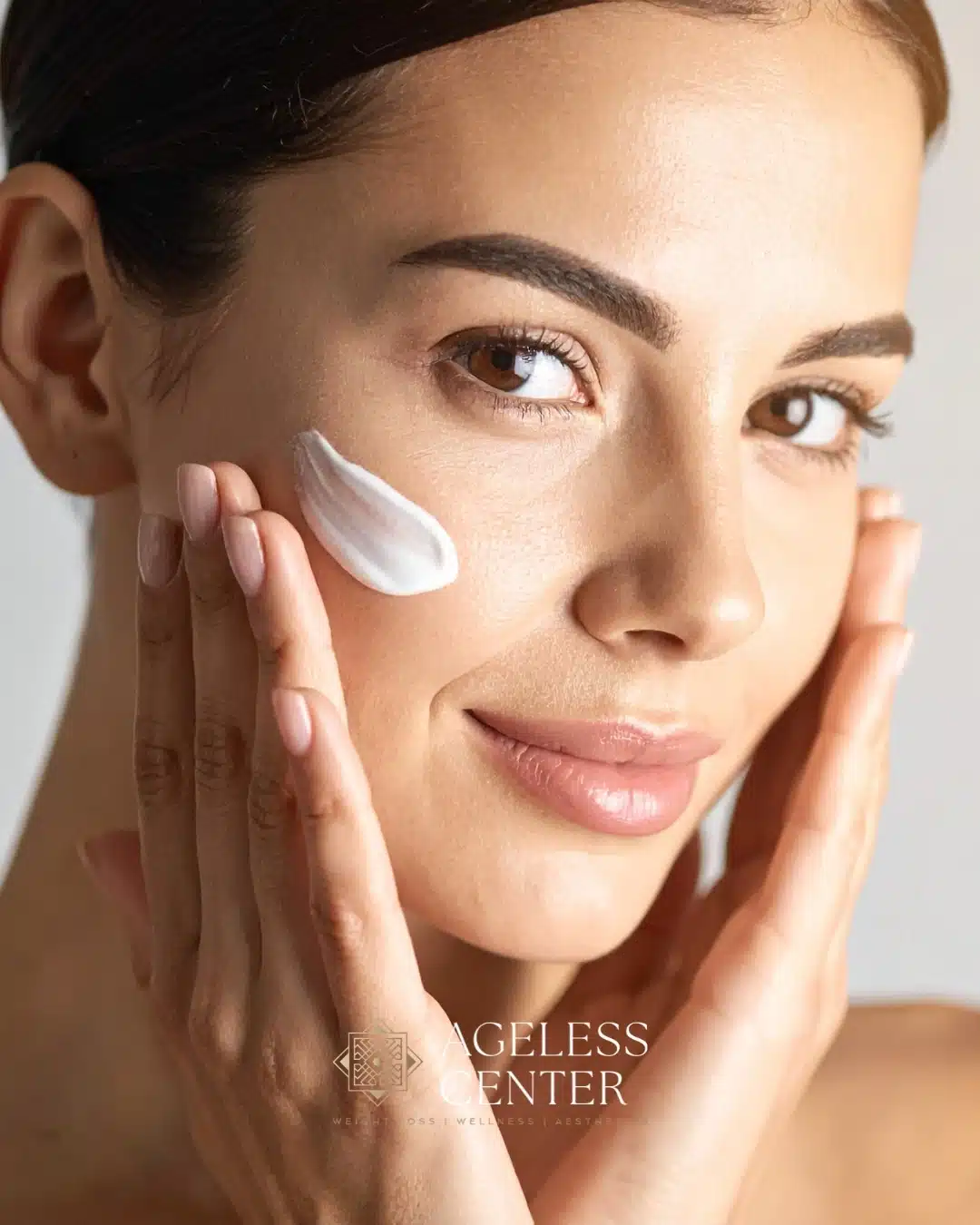
Two of the most popular treatments on any med spa menu are also two of the simplest, and pairing them is where the interesting part begins. Dermaplaning clears the surface. A chemical peel works on the layers underneath. Done in the right order, the first makes the second work better, which is why the combination has become a standard request rather than an upsell.
The catch is that better penetration cuts both ways. The same effect that makes a peel more even after dermaplaning also makes depth and timing matter more, which is the difference between a provider-planned combination and two treatments a patient tries to stack on their own.
If you are curious about pairing dermaplaning in Lexington, Louisville, and London, KY with a medical-grade chemical peel in Kentucky, here is why the order matters and how the two fit together safely.
What is dermaplaning?
Dermaplaning is a manual exfoliation treatment that uses a sterile surgical blade, held at an angle, to sweep away the outermost layer of dead skin along with the fine vellus hair known as peach fuzz. The surface left behind is smoother and brighter, and makeup and skincare sit on it far more evenly.
The treatment is quick and comfortable, usually around thirty to forty-five minutes with no downtime. Removing that top layer of spent cells does more than smooth the surface. It clears the barrier that would otherwise slow anything you apply next, which is the property that makes it such a useful partner for a peel. On its own, the result lasts roughly three to four weeks, until the skin cycles a fresh layer of cells to the surface.
What is a chemical peel?
A chemical peel is a professional blend of exfoliating acids applied to the skin to loosen the bonds holding dead cells together, prompt a controlled shedding of the surface, and stimulate fresh collagen underneath. At Ageless Center the peel used is the VI Peel, a medium-depth, medical-grade formula chosen because it treats real concerns while staying comfortable enough for most skin types and tones.
A peel reaches deeper than dermaplaning and does different work. It lifts pigment and sun damage, softens fine lines, clears congestion that leads to breakouts, and evens tone that surface exfoliation alone cannot reach. Visible peeling usually begins a couple of days after treatment and runs for about five to seven days, with brighter skin emerging underneath. A single peel helps, and a short series spaced several weeks apart is common for stubborn pigment or texture.
How do the two compare?
Dermaplaning | Chemical peel (VI Peel) | |
|---|---|---|
What it does | Removes dead surface cells and peach fuzz | Exfoliates deeper and stimulates collagen |
Depth | Surface only (the stratum corneum) | Medium depth |
Main targets | Dullness, rough texture, makeup prep | Pigment, sun damage, fine lines, breakouts |
Downtime | None | About 5 to 7 days of peeling |
Results last | 3 to 4 weeks | Weeks to months, longer with a series |
Typical frequency | Monthly | Every 4 to 6 weeks |
| Feature | Dermaplaning | Chemical Peel (VI Peel) |
|---|---|---|
| What it does | Removes dead surface cells and peach fuzz | Exfoliates deeper and stimulates collagen |
| Depth | Surface only (the stratum corneum) | Medium depth |
| Main targets | Dullness, rough texture, makeup prep | Pigment, sun damage, fine lines, breakouts |
| Downtime | None | About 5 to 7 days of peeling |
| Results last | 3 to 4 weeks | Weeks to months, longer with a series |
| Typical frequency | Monthly | Every 4 to 6 weeks |
Why does dermaplaning make a peel work better?
The outermost layer of skin, the stratum corneum, is a barrier by design. Its job is to keep things out, and it does that job on your peel solution as effectively as on anything else. Sweep away that layer of dead cells first, and the acids meet living skin more directly and spread more evenly, which is the mechanical reason a peel applied after dermaplaning tends to work more uniformly.
What the research shows Dermatology research is clear that the stratum corneum, the skin’s outer horny layer, is the main barrier controlling how far topically applied substances penetrate (source). Clearing that layer with dermaplaning is precisely what lets a peel applied afterward act on the skin beneath it rather than spending itself on dead cells. |
Removing the vellus hair adds a second, smaller benefit. Peach fuzz traps a fine film of oil and product at the surface, and clearing it lets the solution reach the skin without that interference. The overall effect is a peel that penetrates more evenly and delivers a cleaner result than either treatment produces alone.
Why does the order and the depth matter so much?
Sequence is not optional here. Dermaplaning comes first and the peel follows, never the reverse, because peeling or freshly acid-treated skin cannot be safely bladed. More importantly, because dermaplaning boosts how deeply the peel penetrates, the strength of the peel has to be set with that in mind.
This is exactly where a provider matters. A medium-depth peel layered onto freshly dermaplaned skin with no adjustment can push deeper than intended, which is how people end up with more irritation or downtime than they bargained for. A trained provider either selects a peel formulation suited to same-day pairing or spaces the two treatments apart, matching the plan to your skin rather than to a fixed template. Stacking a strong peel onto a home dermaplaning session is the version of this that goes wrong.
Same appointment, or spaced apart?
There are two sensible ways to run the combination, and which one fits you is a judgment call your provider makes after looking at your skin:
- Same visit, calibrated. The two are combined in one appointment, with the peel strength chosen knowing the skin has just been dermaplaned. This suits milder goals and patients who want everything handled in a single sitting.
- Staggered. When the peel is stronger or the skin is more reactive, dermaplaning and the peel are separated by a week or two. The surface is still primed from the dermaplaning, and the deeper peel gets a more controlled canvas without same-day over-penetration.
What does a combined appointment look like?
A same-day combination follows a clear sequence. Your provider cleanses the skin, then dermaplanes it with a sterile blade to lift the dead surface layer and peach fuzz. With that layer gone, the peel solution goes on next and is left to work for the time the formula calls for, sometimes rinsed at the office and sometimes left on to wash off at home per your provider’s instructions.
The visit itself is short and comfortable. Dermaplaning is painless, and a medium-depth peel usually brings a brief tingling or warmth rather than anything sharp. You leave with clear aftercare, and the peeling phase begins a couple of days later, running its course over the following week. The point of doing them together is efficiency, getting the surface renewal and the deeper treatment in one calibrated sitting.
What results can you expect from the pair?
The immediate payoff is smoothness. With the dead layer and fuzz gone and a peel working underneath, skin looks brighter and feels softer within days of the peeling finishing. Makeup glides on more evenly, and light catches the surface differently, which is the glow patients describe after the combination.
The longer benefit comes from the peel. As it lifts pigment and encourages fresh collagen, tone evens out and fine texture softens over the weeks that follow, with a series compounding the effect for stubborn discoloration. Dermaplaning keeps that surface polished between peels, so the two treatments maintain each other rather than competing. What neither one addresses is deep laxity or set-in wrinkles, which belong to a different category of treatment.
Who is a good candidate, and who should wait?
The combination suits skin that looks dull and uneven, especially when peach fuzz and surface buildup sit alongside pigment or early fine lines. If your goal is a brighter, smoother, more even complexion with minimal fuss, this pairing is one of the more efficient ways to get there.
A few situations call for waiting or a different plan. Active, inflamed breakouts are better left unbladed, since dermaplaning over pustular acne can spread bacteria and irritate the area. A current cold sore, highly reactive or rosacea-prone skin, and recent use of oral isotretinoin are all reasons to pause, and your provider will screen for them before starting. When surface work is not the right answer, deeper concerns may point toward microneedling in Kentucky or another approach entirely.
How should you care for your skin afterward?
Freshly exfoliated skin is more sensitive to light, so daily broad-spectrum sunscreen moves from good habit to non-negotiable for the week or two after treatment. Keep the rest of your routine gentle. Pause retinoids and scrubs for several days, let any peeling run its course without picking at it, and lean on a simple, hydrating medical-grade skincare routine to support the new skin coming through. Your provider will give you timing tailored to the peel strength you received.
A little planning around your calendar helps too. Because a peel triggers several days of visible flaking, many patients book the combination when they have a quiet stretch ahead rather than right before a big event. If something important is coming up, treating two to three weeks in advance gives the surface time to finish shedding and settle into its brighter state.
How often can you repeat the combination?
Dermaplaning fits a monthly rhythm, since it takes about three to four weeks for the surface to rebuild. Peels are generally spaced four to six weeks apart, and a course of a few is common for pigment or texture goals. Combining them every single time is usually unnecessary and can tip skin into over-exfoliation. A sensible plan alternates, using dermaplaning for regular upkeep and adding the peel when a deeper reset is due, mapped out so your skin is never doing too much at once.
The order, in one line Cleanse, then dermaplane, then peel. Never the other way around, and never a strong peel on skin you bladed at home the same day. |
Frequently asked questions
Should dermaplaning be done before or after a chemical peel?
Before, always. Dermaplaning clears the dead-cell barrier so the peel penetrates more evenly, and peeling or freshly treated skin cannot be safely bladed. The correct sequence is cleanse, dermaplane, then peel.
Can I get dermaplaning and a peel on the same day?
Often, yes, with the peel strength calibrated for freshly dermaplaned skin. For stronger peels or more sensitive skin, a provider may space the two by a week or two instead. The decision depends on your skin, which is why it belongs in a professional’s hands.
Does the combination cause more downtime?
The peel drives whatever downtime there is, and dermaplaning adds very little on its own. Expect the peel’s usual five to seven days of light shedding, brighter skin underneath once it finishes.
Is the combination safe for sensitive skin?
Sometimes, with a gentler peel and often staggered timing rather than a same-day pairing. Reactive and rosacea-prone skin needs a careful assessment first, and in some cases a provider will recommend a different plan altogether.
How often should I do a dermaplane-and-peel combination?
Not at every visit. Dermaplaning suits a monthly schedule and peels every four to six weeks, so a smart plan alternates them and combines them only when a deeper reset is due, to avoid over-exfoliating.
Will dermaplaning make my facial hair grow back thicker?
No. Dermaplaning removes fine vellus hair at the surface, and it grows back at the same rate and texture it had before. It does not change the hair’s thickness or color.
Can I dermaplane at home and then use a peel?
It is not advisable. Home blading followed by a peel risks pushing the acids too deep and injuring the skin, since you cannot calibrate either step the way a provider can. Keep this particular combination in professional hands.
Ready to brighten and smooth your skin?
The combination works best when someone is calibrating the depth for your skin rather than leaving it to chance. At Ageless Center, a skincare provider assesses your complexion, decides whether to pair the treatments in one visit or space them out, and builds the plan around the result you want.
We treat patients at our Lexington, Louisville, and London, KY locations.
Schedule your consultation to find out whether a dermaplane-and-peel combination fits your skin.