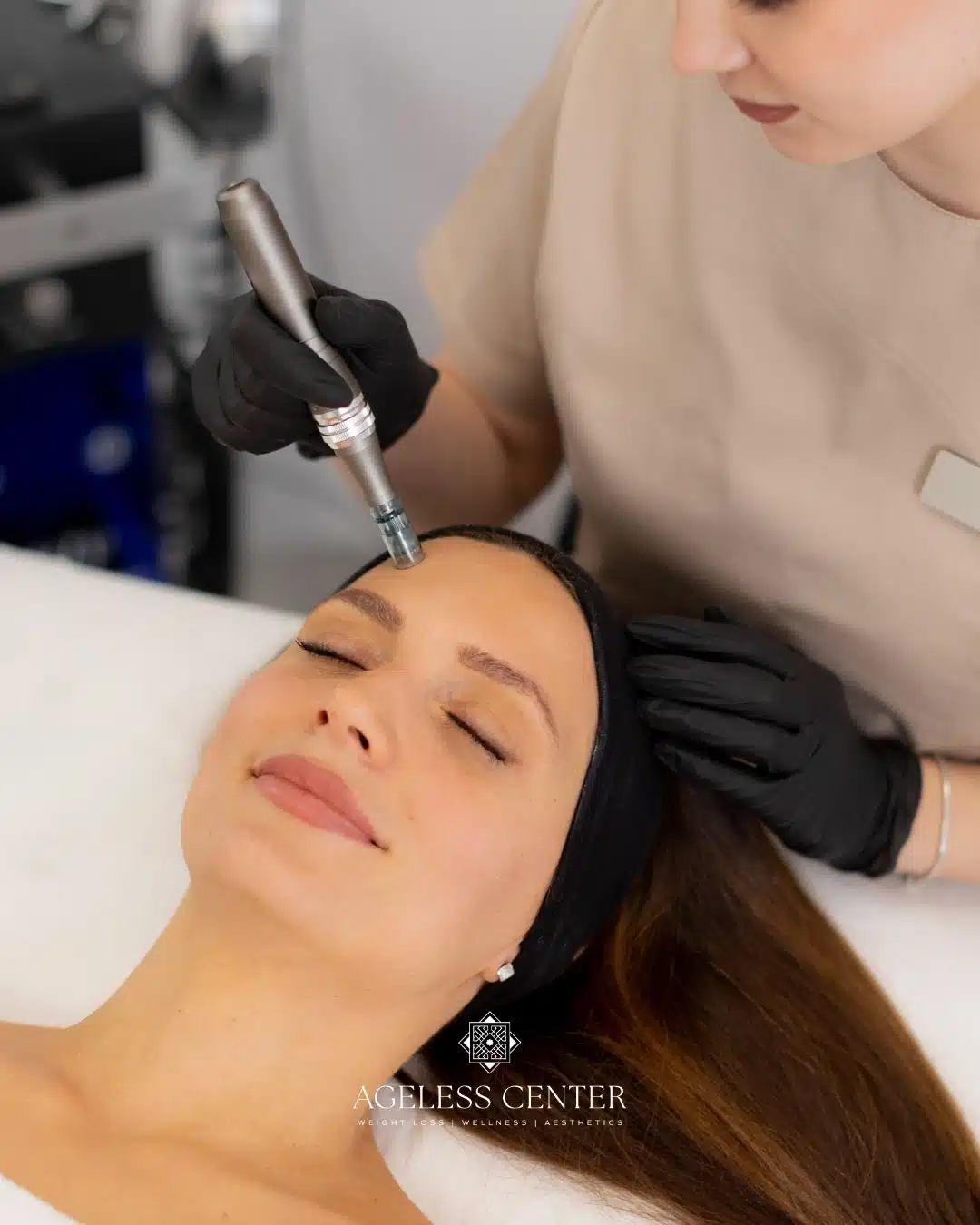
Proper skin preparation before your MOXI treatment significantly influences both your comfort during the procedure and the quality of your results. While MOXI is one of the gentlest fractionated lasers available, arriving with skin that has been thoughtfully prepared reduces the risk of complications and allows the laser energy to work more effectively. This guide covers everything you need to know about laser treatment prep, from the specific products to pause to the timeline for making these adjustments.
At Ageless Center, our MOXI treatments in Lexington, Louisville, and London begin with detailed pre-treatment guidance tailored to each patient’s skin type and current skincare routine. Understanding the reasoning behind these recommendations helps you follow them more consistently and arrive confident on treatment day.
Understanding How MOXI Works on Your Skin
Before discussing preparation, understanding what happens during a MOXI treatment helps explain why certain pre-treatment steps matter. MOXI is a non-ablative fractionated laser that operates at a 1927nm wavelength. This specific wavelength targets water within skin cells, creating thousands of microscopic thermal zones called micro-coagulation areas.
Unlike ablative lasers that remove the outer layer of skin entirely, MOXI leaves the epidermis intact while creating controlled micro-injuries beneath the surface. These tiny injuries trigger your body’s natural wound-healing response, stimulating increased collagen and elastin production while accelerating cellular turnover.
The fractionated aspect means only a portion of your skin receives direct laser energy during each treatment. The surrounding untreated tissue remains healthy and serves as a reservoir for rapid healing. This approach produces meaningful skin improvement while minimizing downtime compared to more aggressive resurfacing procedures.
Because MOXI relies on your skin’s healing response to produce results, the condition of your skin at the time of treatment matters. Skin that is sensitized, inflamed, or compromised in any way will not respond as predictably to laser energy. Proper preparation creates the optimal canvas for treatment.

The Two-Week Preparation Timeline
Most pre-treatment recommendations follow a two-week timeline, though some adjustments need to begin earlier. Planning ahead allows you to taper products gradually rather than stopping abruptly, which can sometimes cause its own skin reactions.
Two to Four Weeks Before Treatment
Sun exposure represents the most significant variable affecting MOXI safety and efficacy. Tanned or recently sun-exposed skin contains higher melanin levels, which can absorb laser energy differently than untanned skin. This altered absorption increases the risk of hyperpigmentation or hypopigmentation after treatment.
Begin strict sun protection at least two to four weeks before your scheduled session. This means applying broad-spectrum SPF 30 or higher daily, even on cloudy days or when spending most of your time indoors. Driving exposes your face to significant UV radiation through car windows, so sunscreen is necessary even during commutes.
Avoid tanning beds entirely during this period. The UV exposure from tanning beds can be more intense than natural sunlight and creates the same melanin-related risks. If you use self-tanning products, discontinue them at least two to four weeks before treatment. These products deposit pigment on the skin’s surface that can interfere with how laser energy penetrates the tissue.
If you have been taking tanning supplements or have recently received a spray tan, inform your provider. You may need to reschedule your treatment to allow the artificial pigment to fully fade.
Two Weeks Before Treatment
At the two-week mark, review your entire skincare routine with attention to any products that increase skin sensitivity or affect healing. Many people use ingredients that make skin more reactive without realizing their photosensitizing effects.
Stop using any products containing hydroquinone, which is commonly found in skin brightening formulations. Hydroquinone can increase photosensitivity and may cause unpredictable reactions when combined with laser energy. If you have been using prescription-strength hydroquinone for melasma or hyperpigmentation, discuss the timing with your provider.
Avoid any other resurfacing treatments during this period. Chemical peels, microdermabrasion, other laser treatments, and aggressive exfoliating facials should not be performed within two weeks of your MOXI session. These procedures compromise the skin barrier and create inflammation that complicates laser treatment.
If you receive regular injectable treatments like Botox, dermal fillers, or Sculptra, schedule these at least one to two weeks apart from your MOXI session. While injectables do not create the same surface-level concerns as peels, separating these treatments allows you to assess each treatment’s effects independently.
Seven to Fourteen Days Before Treatment
This window is when you pause the products most likely to cause issues during laser treatment. The goal is to arrive with an intact, non-sensitized skin barrier.
Discontinue all retinoid products, including prescription tretinoin (Retin-A), over-the-counter retinol, and any products containing vitamin A derivatives. Retinoids increase cell turnover and can thin the outer layer of skin, making it more susceptible to irritation from laser energy. Most providers recommend stopping these products 7 to 14 days before treatment.
Stop using chemical exfoliants including glycolic acid, salicylic acid, lactic acid, and any products containing alpha hydroxy acids (AHAs), beta hydroxy acids (BHAs), or lipo hydroxy acids (LHAs). These acids dissolve the bonds between skin cells and can leave your skin more vulnerable.
Pause benzoyl peroxide products, which are commonly used for acne treatment. Benzoyl peroxide can cause dryness and irritation that affects how your skin responds to laser treatment.
If you use any prescription topical medications beyond those mentioned, consult with both your prescribing physician and your aesthetic provider about whether to pause them before treatment.
Five to Seven Days Before Treatment
Continue avoiding the products mentioned above and add these additional precautions.
Stop using any physical exfoliants, including scrubs, cleansing brushes, or textured cleansing cloths. These create micro-abrasions on the skin surface that need time to heal before laser treatment.
Avoid waxing, threading, or using depilatory creams on treatment areas. These hair removal methods can cause irritation, ingrown hairs, or skin trauma that interferes with laser treatment. If you need to remove facial hair, shaving is acceptable up until the day before treatment.
If you have coarse hair in the treatment area, shave it the day before your appointment. Hair can interact with laser energy in ways that affect treatment precision.
Stop taking supplements and over-the-counter medications that affect bleeding, unless they are medically necessary. Aspirin, ibuprofen, naproxen, fish oil, vitamin E, and similar substances can increase bruising and may affect healing. If you take prescription blood thinners, do not stop these without consulting your physician. Instead, inform your aesthetic provider so they can adjust expectations accordingly.
The Day Before Treatment
- Keep your skincare routine simple. Use only gentle, hydrating products without active ingredients. Avoid any new products that might cause unexpected reactions.
- Get adequate sleep. Your body’s healing response is more robust when you are well-rested.
- Stay hydrated. Proper hydration supports skin health and healing capacity.
- Avoid alcohol consumption, which can affect blood vessel dilation and potentially increase sensitivity during treatment.
Medications That Require Special Consideration
Certain medications increase photosensitivity or affect healing in ways that require discussion with your provider before MOXI treatment.
Photosensitizing medications make your skin more reactive to light energy. Common examples include:
Antibiotics such as doxycycline, minocycline, tetracycline, ciprofloxacin, and trimethoprim-sulfamethoxazole (Bactrim) increase sun sensitivity significantly. Most providers recommend discontinuing these medications 72 hours to one week before treatment if medically appropriate. Never stop prescribed antibiotics without consulting your prescribing physician.
Certain blood pressure medications, particularly thiazide diuretics, can cause photosensitivity.
Some antidepressants and antipsychotic medications have photosensitizing effects.
Isotretinoin (Accutane) requires special attention. If you have taken isotretinoin within the past six to twelve months, you may not be a candidate for MOXI until sufficient time has passed. Isotretinoin dramatically affects skin healing and can increase the risk of scarring from laser procedures.
If you take any medications, bring a complete list to your consultation so your provider can assess potential interactions.
Cold Sore Prevention Protocol
If you have ever had a cold sore (herpes simplex virus type 1), laser treatment can trigger an outbreak even if you have not had one in years. The thermal energy from the laser creates conditions that can reactivate dormant virus.
Inform your provider about any history of cold sores, even if your outbreaks are infrequent. Most providers will prescribe a prophylactic antiviral medication, typically valacyclovir (Valtrex) 500mg twice daily, starting one to two days before treatment and continuing for five to seven days afterward.
This preventive approach is important because a cold sore outbreak in freshly treated skin can lead to scarring or prolonged healing. Taking the antiviral medication even without active symptoms significantly reduces this risk.
If you develop an active cold sore before your scheduled treatment, you will need to reschedule. Treatment cannot be performed over active herpes lesions.
Special Considerations for Different Skin Types
While MOXI is safe for all skin types and tones, certain characteristics require additional preparation.
If you have melasma or a history of melasma, discuss this with your provider. Pre-treatment with melanin-inhibiting products may be recommended to stabilize melanin production.
Patients with darker skin tones (Fitzpatrick types IV through VI) should ensure their provider has experience treating similar skin types. MOXI’s 1927nm wavelength targets water rather than melanin, making it safer for darker skin than many other lasers.
If your skin is generally reactive or sensitive, you may benefit from a longer preparation period with barrier-repairing products.
Active inflammatory acne can complicate treatment. If you have active breakouts in the treatment area, your provider may recommend addressing these before proceeding with MOXI.
What to Do on Treatment Day
Following proper preparation in the weeks before treatment, treatment day requires just a few simple steps.
Arrive with completely clean skin free of makeup, sunscreen, and skincare products. Wear comfortable clothing that does not need to be pulled over your head. Leave jewelry at home, particularly earrings or facial piercings. Eat a light meal before your appointment to avoid feeling light-headed. Plan your schedule assuming you may have some redness after treatment.
Who Is an Ideal Candidate for MOXI
MOXI works well for a broad range of patients, but understanding who benefits most helps set appropriate expectations.
Patients who are excellent candidates include those seeking to address early signs of sun damage and photoaging, improve overall skin tone and texture, reduce the appearance of fine lines, minimize pore appearance, treat mild pigmentation irregularities, and maintain results from previous more aggressive treatments.
MOXI is often described as a “prejuvenation” treatment because it works well for patients in their twenties and thirties who want to proactively maintain skin health before significant aging occurs. However, it is equally effective for older patients who want a gentle approach to skin renewal or who cannot tolerate more aggressive resurfacing procedures.
Patients who may need alternative treatments or modified approaches include those with active skin infections or open wounds, active inflammatory acne in the treatment area, recent use of isotretinoin, pregnancy or breastfeeding, unrealistic expectations about the degree of improvement from a single treatment, and recent significant sun exposure or tan.
During your consultation at our laser and energy-based skin rejuvenation center, your provider will assess your skin and medical history to determine whether MOXI is appropriate or whether another treatment might better serve your goals.
The MOXI Treatment Process
Understanding what happens during treatment helps you prepare mentally for the experience.
After your skin is cleansed, your provider may apply a topical numbing cream for approximately 20 to 30 minutes. Once your skin is numb, you will be given protective eyewear. Your provider will then pass the MOXI handpiece across your skin in a systematic pattern using a computerized tip that tracks treatment coverage.
Most patients describe the sensation as mild warmth or light prickling. A full face typically takes only 8 to 15 minutes of actual laser time. If you are combining MOXI with BBL HEROic, the total appointment time will be longer. Immediately after treatment, your skin will appear pink or flushed, similar to a mild sunburn.
What to Expect After Treatment
Setting realistic expectations about the healing process helps you feel confident during recovery.
Day one through two: Your skin will feel warm and appear pink to red, similar to a mild sunburn. Mild swelling may occur. Apply cool compresses for comfort and avoid heat exposure including hot showers and strenuous exercise.
Day two through four: Tiny dark spots called MENDs (microscopic epidermal necrotic debris) may appear as treated tissue works its way to the surface. Your skin may feel rough like fine sandpaper. Do not pick at these spots.
Day four through seven: The MENDs naturally exfoliate, revealing fresh skin beneath. Keep skin well-moisturized and avoid active ingredients until peeling is complete.
Most patients return to normal activities and can wear makeup within one to two days, though complete healing and optimal results develop over the following weeks as collagen remodeling continues.