Why treating all pigmentation the same way is the most common mistake in laser skincare
Melasma, sun damage, and age spots may look similar on the surface. But they come from entirely different mechanisms within the skin, respond to entirely different wavelengths of light, and require treatment strategies that respect those differences. Get it right, and the results can be remarkable. Get it wrong, and you may walk out with skin that is darker than when you walked in.
At Ageless Center, our laser and energy-based skin rejuvenation programs in Lexington, Louisville, and London are built around this understanding. We evaluate the type, depth, and cause of pigmentation before we ever turn a device on.
THE BIOLOGY OF PIGMENTATION: Why diagnosis changes everything All hyperpigmentation involves melanin, the pigment produced by melanocyte cells in the skin. But the behavior of those melanocytes varies dramatically between conditions. • Sun damage and age spots: Localized clusters of melanocytes that have been permanently altered by cumulative UV exposure. The melanin sits in a defined area and does not spread or darken in response to treatment. • Melasma: Hyperactive melanocytes that overproduce melanin in response to hormones, heat, UV exposure, and inflammation. Any stimulus that triggers them, including laser energy, can cause them to produce even more pigment. This distinction is the single most important factor in choosing the right treatment. Aggressive laser treatments that are highly effective for sun damage can cause melasma to flare dramatically. |
What sun damage and age spots actually are and why they respond so well to light-based treatments
Solar lentigines, commonly known as age spots, sun spots, or liver spots, are flat areas of increased pigmentation that develop on skin with significant cumulative sun exposure. They show up most frequently on the face, hands, chest, shoulders, and forearms. Despite the name, age spots are not caused by aging. They are caused by decades of UV radiation permanently altering the melanocyte cells in specific areas of skin.
The reason they are comparatively straightforward to treat is their stability. Once formed, solar lentigines do not worsen in response to heat or inflammation from laser treatment. The excess melanin sits in a predictable location, and light-based devices can target and break it apart without triggering a rebound response.
Broader sun damage, including uneven tone, scattered freckling, textural roughness, and broken capillaries, also responds well to light-based treatments. The damage has already occurred, and the treatment is addressing the visible consequences rather than trying to calm an ongoing overproduction cycle.
Why melasma is fundamentally different from every other form of hyperpigmentation
Melasma is a chronic condition characterized by symmetric patches of brown or gray-brown discoloration, most commonly on the cheeks, forehead, nose bridge, upper lip, and chin. It affects an estimated five million people in the United States, with the vast majority being women of reproductive age. Hormonal influences, particularly from pregnancy, oral contraceptives, and hormone replacement therapy, are strongly associated with its onset.
What makes melasma so challenging is the behavior of the melanocytes themselves. They are not just producing too much pigment from past UV exposure. They are in a state of chronic hyperactivation, meaning they respond to a wide range of stimuli with increased melanin production. Heat, visible light, UV radiation, friction, inflammation. All of it can set them off. This is exactly why laser treatments that deliver significant thermal energy to the skin, the same treatments that work beautifully on age spots, can cause melasma to worsen substantially.
How each type of pigmentation responds to different treatment technologies
Treatment | Sun damage & age spots | Melasma | Best candidates |
BBL HEROic | Highly effective. Targets melanin directly with minimal downtime. Visible clearing often after 1–2 sessions. | Use with caution. Effective at conservative settings, but risk of rebound if too aggressive. | Lighter skin tones (Fitzpatrick I–III) with sun spots, freckling, redness. |
IPL Photofacial | Very effective for diffuse sun damage, redness, and scattered age spots across larger areas. | Generally not recommended. Broad-spectrum light can stimulate melanocytes in sensitized skin. | Lighter skin tones with overall sun damage, rosacea, or vascular concerns. |
MOXI (1927nm laser) | Effective for mild to moderate damage. Excellent combined with BBL for enhanced results. | One of the safer laser options. Targets water rather than melanin, reducing melanocyte stimulation. | All skin types and tones. Great for maintenance and sensitive skin. |
Morpheus8 (RF microneedling) | Not a primary pigment treatment, but improves skin quality and enhances light-based therapies. | Emerging evidence of benefit through collagen remodeling without direct melanocyte stimulation. | All skin types. Ideal when texture and pigment both need attention. |
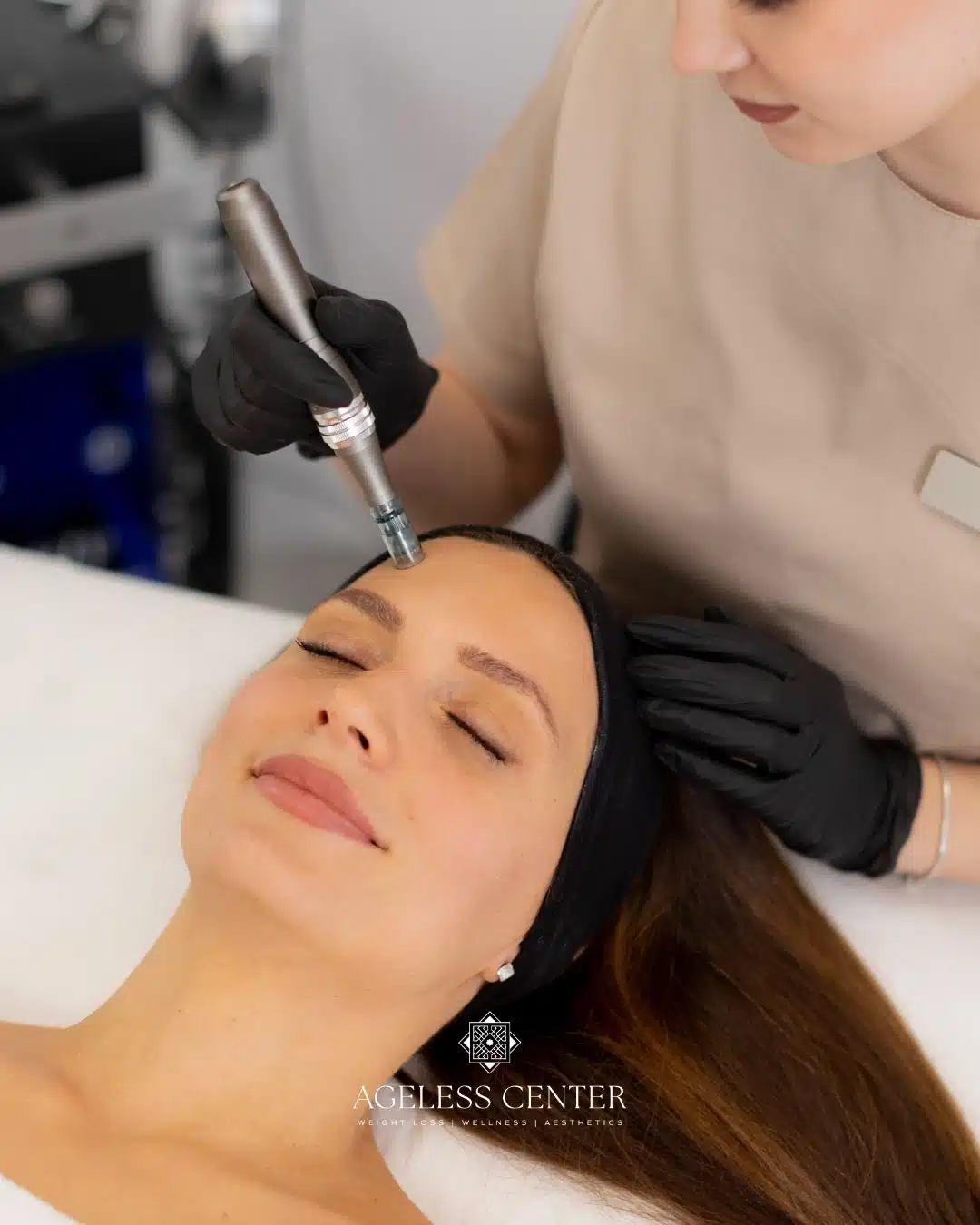
Microneedling with PRP/PRF | Supports skin renewal and collagen. Enhances pigment treatments when combined. | Generally safe. Growth factors may support barrier repair and reduce inflammatory triggers. | All skin types, including darker tones where light treatments carry higher risk. |
How BBL HEROic targets pigmentation with precision that previous technologies could not achieve
Sciton’s BBL HEROic is the most advanced broadband light platform currently available for pigmented and vascular skin conditions. Its Intelligent Control system automatically adjusts pulse delivery in real time based on handpiece speed, angle, and skin curvature, ensuring consistent energy across the entire treatment area. That consistency matters enormously when treating pigmentation, because uneven energy delivery leads to patchy results.
For sun damage and age spots, it is exceptionally effective. The device uses specific wavelength filters to selectively heat pigmented cells while leaving surrounding tissue unaffected. The treated pigment rises to the surface over the following days, appears temporarily darker, then flakes off to reveal clearer skin beneath. Most patients see significant improvement after just one to two sessions.
BBL HEROic also addresses the vascular side of sun damage, including redness, broken capillaries, and rosacea, using different filter settings within the same session. This dual capability makes it one of the most versatile platforms available for patients whose skin shows multiple signs of photoaging, because a single appointment can target both brown and red discoloration simultaneously.
Why MOXI is often the safest starting point for patients with pigmentation concerns
MOXI operates at a fundamentally different wavelength than BBL, and this distinction matters enormously for melasma patients and darker skin tones. The 1927nm wavelength targets water within skin cells rather than melanin directly, which means MOXI creates controlled micro-injuries that stimulate collagen and accelerate cellular turnover without selectively heating melanin-containing cells.
The result is gradual improvement in skin tone and texture through your body’s natural exfoliation and renewal process, not through direct pigment destruction. For melasma, that difference is everything. Because MOXI does not deliver concentrated energy to melanocytes, the risk of triggering rebound hyperpigmentation is substantially lower than with traditional pigment-targeting lasers.
MOXI also pairs beautifully with BBL HEROic for patients with sun damage. When combined in the same session, BBL handles existing pigment and vascular concerns while MOXI resurfaces overall tone and texture. Our guide on preparing your skin before a MOXI session covers everything you need to know about optimizing results.

The clinical approach to treating melasma without making it worse
Melasma management requires a fundamentally different philosophy than treating sun damage. Where sun damage treatment is about destruction and removal of unwanted pigment, melasma treatment is about calming an overactive system while gradually reducing existing discoloration. Aggressive approaches almost always backfire.
The foundation of any melasma treatment plan is rigorous sun protection and topical therapy. Broad-spectrum sunscreen with SPF 30 or higher is non-negotiable, and mineral formulations containing zinc oxide or titanium dioxide are generally preferred because they block both UV and visible light. This matters because visible light, particularly in the blue spectrum, has been shown to worsen melasma independently of UV exposure.
Once that topical foundation is established, procedural treatments can be layered in carefully.
At Ageless Center, our melasma protocols may include:
- Low-energy MOXI treatments to improve texture and dullness without provoking melanocyte activation
- Microneedling with PRP or PRF to support skin barrier repair and reduce the inflammation that feeds melasma
- RF microneedling to address deeper dermal pigmentation without stimulating surface melanocytes
These treatments are spaced conservatively and monitored closely for any signs of worsening pigmentation.
CLINICAL INSIGHT: What to avoid if you have melasma Certain treatments widely marketed for pigmentation can be counterproductive for melasma: • Aggressive chemical peels at high concentrations, which can trigger significant post-inflammatory hyperpigmentation in sensitized skin • High-energy ablative lasers such as CO2 or erbium resurfacing, which deliver intense thermal energy that frequently worsens melasma At Ageless Center, we use Wood’s lamp evaluation and detailed clinical assessment to differentiate between pigmentation types before recommending any procedure. |
Why the best results come from combining multiple treatments rather than relying on a single device
Pigmentation rarely exists in isolation. Most patients who come in concerned about dark spots also have textural irregularities, fine lines, redness, and overall dullness that contribute to uneven-looking skin. Clearing the spots without addressing the surrounding environment produces results that feel incomplete, because the skin around the cleared spots still looks tired and weathered.
This is why the most effective treatment plans at Ageless Center use a combination approach. A patient with extensive sun damage might receive BBL HEROic for discrete pigmented lesions, followed by MOXI for overall tone and texture, with medical-grade skincare to maintain results between sessions. A patient with melasma might start with topical therapy and careful sun protection, progress to low-energy MOXI treatments, and incorporate microneedling with exosomes to support barrier repair and reduce the inflammatory component of their condition.
The spacing and sequencing of these treatments matters as well. Some modalities complement each other beautifully when performed in the same session, like BBL and MOXI, while others need to be separated by several weeks to allow the skin to recover and respond before the next intervention is introduced. Your provider’s ability to design and adjust this sequencing based on how your skin responds is what separates a thoughtful treatment plan from a one-size-fits-all approach.
Our comparison of BBL HEROic versus laser resurfacing provides additional context for patients weighing their options, and our guide on MOXI ideal candidates and expected results can help you determine whether MOXI fits your overall skin strategy.
Frequently asked questions
How do I know if my dark spots are melasma or sun damage?
Melasma typically appears as symmetric patches on both sides of the face, often on the cheeks, forehead, or upper lip, and may fluctuate with hormonal changes or heat exposure. Age spots tend to appear as discrete, well-defined spots in areas of chronic sun exposure and remain stable over time. An in-person consultation with examination under a Wood’s lamp can differentiate between the two and ensure your treatment plan matches your actual condition.
Can laser treatment make melasma worse?
Yes. Lasers that deliver high thermal energy or directly target melanin can stimulate the already hyperactive melanocytes in melasma, causing rebound darkening that may be more extensive than the original condition. This is why melasma requires a conservative approach using technologies that minimize melanocyte stimulation, such as low-energy MOXI, RF microneedling, or microneedling with growth factors.
How many BBL HEROic sessions are needed to clear sun damage?
Most patients see significant improvement after one to two sessions. A series of three to five treatments spaced three to four weeks apart typically produces the most comprehensive correction, particularly for extensive sun damage. Maintenance sessions once or twice per year help preserve results and prevent new damage from becoming established.
Is IPL or BBL better for age spots?
BBL HEROic is the most advanced generation of broadband light technology and offers advantages over traditional IPL in precision, consistency, and comfort. The Intelligent Control system ensures uniform energy delivery, which reduces the risk of uneven results. Both work on similar principles, but BBL HEROic typically translates to better outcomes with fewer treatments.
What is the best treatment for dark spots on darker skin tones?
Treatments that do not rely on melanin absorption are generally safest and most effective for deeper skin tones. MOXI, microneedling, RF microneedling with Morpheus8, and topical therapies offer meaningful improvement without the elevated risk of post-inflammatory hyperpigmentation. A thorough consultation is essential to match the treatment to both your pigmentation type and your skin’s melanin activity.
Will my dark spots come back after laser treatment?
For sun damage and age spots, treated lesions generally do not return once cleared. However, new spots can develop with continued sun exposure, which is why consistent sun protection is important. Melasma is a chronic condition that can recur regardless of treatment, so ongoing management with sun protection, topical therapy, and periodic maintenance procedures is typically necessary.
The right treatment starts with understanding what you are actually treating
A dark spot on your cheek could be a solar lentigo that will respond beautifully to a single BBL HEROic session, or it could be melasma that will flare dramatically if treated with the same technology at the same settings. The difference is not the quality of the laser. It is the quality of the clinical assessment that happens before the laser is ever turned on.
If you are ready to address pigmentation concerns with a provider who understands the difference between these conditions, we invite you to schedule a consultation at one of our Kentucky locations. We have the full range of light-based, laser, and microneedling technologies to design a plan that produces meaningful, lasting improvement without compromising the health of your skin.
Lexington Office 149 Moore Drive, Lexington, KY 40503 859-335-1330
Louisville Office 10003 Forest Green Blvd, Louisville, KY 40223 502-896-0060
London Office 302 Madison Square, London, KY 40741